

Smart Safety Solutions for Enhanced Research Efficiency and Scientist Well-being
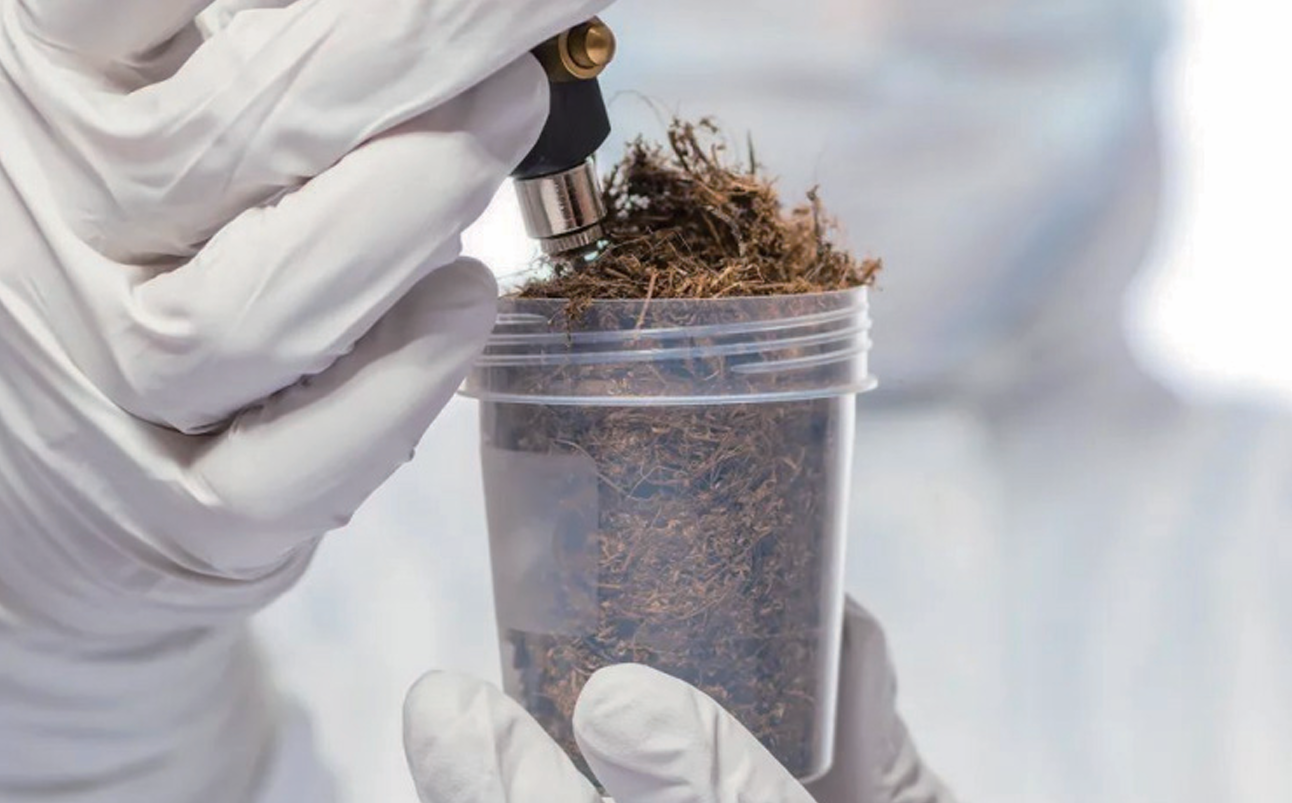
In tobacco industry research, laboratory personnel face not only complex daily testing tasks but also multiple hidden health hazards. These risks arise from the frequent use of chemicals, generation of volatile compounds, biological agents, and inadequate facility management.
Pollutants & Risks in Tobacco lab
- Chemical Analysis
During the process of tobacco chemical analysis, various organic solvents and chemical reagents are frequently used.
1) Pesticide residue testing: Involves the use of solvents such as methanol, cyclohexane, and dichlorometh ane (Group 1 carcinogen). Long-term exposure can damage the nervous system, impair liver and kidney function, and increase cancer risk.
2) Protein detection in tobacco leaves: High-temperature digestion releases acid fumes; if not promptly removed, they can cause respiratory tract burns.
3) Starch content determination: Repeatedly rinsing samples with ethanol generates vapors that may depress the central nervous system, causing headaches, dizziness, drowsiness, and impaired coordination.
Prolonged exposure to high concentrations greatly increases these risks.
Testing for heavy metals in water (such as lead, mercury, cadmium) and organic pollutants (such as benzene, toluene) requires the use of highly corrosive and volatile chemicals like nitric acid, hydrochloric acid, and petroleum ether. If these substances leak or disperse, they may cause long-term health effects for laboratory personnel, including chronic respiratory diseases, skin damage, and nervous system harm. - Smoke Component Analysis
Smoke analysis requires pre-treatment and advanced instrumentation, both of which can generate harmful emissions.
1) Sample pre-treatment: Processes such as solvent extraction, condensation, and acid-base reactions involve frequent chemical handling, with associated inhalation and contact hazards.
2) Instrumental detection (like HPLC ): VOCs may be produced from:Volatile compounds in the tobacco sample itself.
—Organic solvents used in the mobile phase.
—Vapors generated during sample injection.
—Improperly managed waste liquids in non-sealed systems.
These VOCs can accumulate in the instrument room, posing inhalation risks. - Biological testing and analysis
Biological assays in tobacco research also carry potential biosafety hazards.
1 ) DNA extraction: potential mutagenic risk from nucleic acid dyes such as ethidium bromide.
2) Microbial culture: biological contamination spread caused by aerosol transmission.
3) GMO testing: biosafety hazards caused by improper disposal of laboratory waste.
Erlab Ductless Solution – A Fusion of Safety and Intelligence
Since its establishment in 1968, Erlab has been dedicated to the development of activated carbon molecular filtration technology, committed to improving laboratory environments and enhancing the safety and health of laboratory personnel.