

Erlab- making every drop of water testing safe and controllable
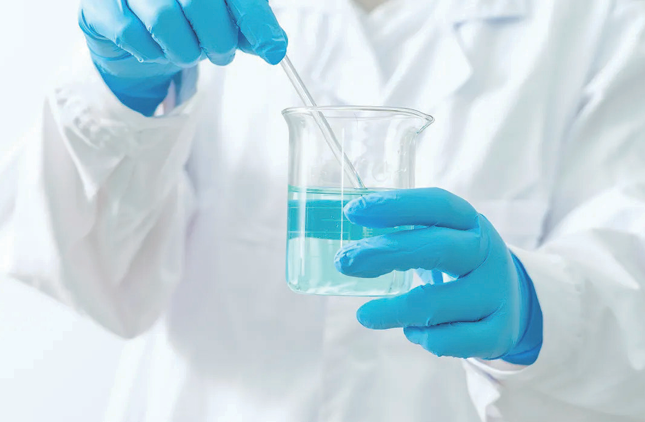
Water quality testing laboratories are the core institutions ensuring water safety. During routine testing, laboratory personnel handle various chemicals, volatile organic compounds (VOCs), and toxic reagents. These substances may release harmful gases that pose health risks to the laboratory staff.
Challenges and safety risks in water treatment laboratories
1、Safety hazards in routine water quality testing
Water quality analysis involves indicators such as pH, dissolved oxygen, turbidity, chemical oxygen demand (COD), biochemical oxygen demand (BOD), ammonia nitrogen, total nitrogen, and total phosphorus. Chemicals commonly used during the testing process include sulfuric acid, hydrochloric acid, nitric acid, ethanol, potassium permanganate, and potassium dichromate, which may cause chemical burns and release harmful gases, affecting the health of laboratory personnel.
2、Air pollution risks in microbial testing
During microbial cultivation and testing, inhalation of particles may occur, leading to biological hazards.
3、Safety risks in special pollutant testing
Testing for heavy metals in water (such as lead, mercury, cadmium) and organic pollutants (such as benzene, toluene) requires the use of highly corrosive and volatile chemicals like nitric acid, hydrochloric acid, and petroleum ether. If these substances leak or disperse, they may cause long-term health effects for laboratory
personnel, including chronic respiratory diseases, skin damage, and nervous system harm.
4、Potential risks of chemical storage
In testing processes for drinking water, sewage treatment plants, and industrial wastewater purification, a wide variety of chemicals are used in large quantities. Among them, flammable and volatile chemicals can slowly evaporate over time, not only polluting the laboratory air quality but also potentially causing chronic
inhalation health risks.
5、Aging of ventilation equipment and its declining efficiency
After long-term use, ducted ventilation equipment experiences increased energy consumption and decreased treatment efficiency, making it unable to promptly and effectively handle pollutants generated during experiments, thereby affecting air quality.
Erlab Ductless Solution – A Fusion of Safety and Intelligence
Since its establishment in 1968, Elab has been dedicated to the development of activated carbon molecular filtration technology, committed to improving laboratory environments and enhancing the safety and health of laboratory personnel.